
 Aloe
Aloe  Flora Frost
 Aloe arborescens
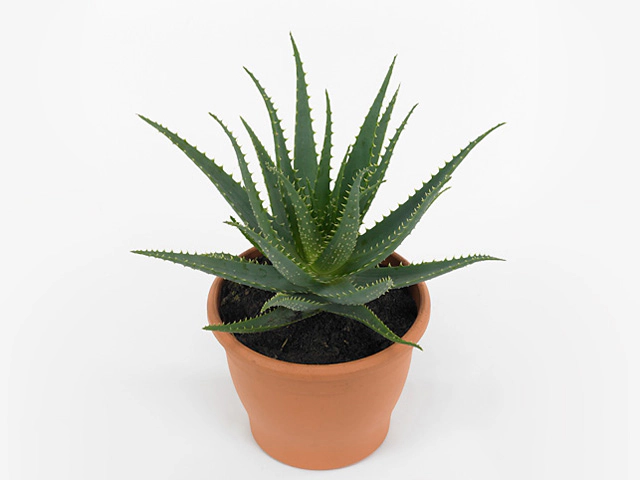
| Leaf tip | Pointed/acute |
| Leaf margin | Dentate |
| Winter hardness | Not hardy (USDA-zone 9,10,11) |
| Soil fertility | Not very demanding |
| Leaf, general shape | Triangular; Lanceolate |
| Plant height | 20 - 30 cm |
| Structure (tissues) | Succulent |
| Leaf width | 3 - 4 cm |
| Leaf size | 20 - 25 cm |
| Light conditions | Semi-shades; Sunny |
| Leaf, main color | Green grey |
| Leaf, secondary color(s) | Light green |
| Moisture requirements | Dry; Normal |
| Soil type | Sandy; Peaty |
The Aloe arborescens, commonly known as Aloe, is a versatile and attractive plant with distinctive features. Native to Africa, specifically in the countries of Malawi, Mozambique, and Zimbabwe, this succulent species is well-known for its medicinal properties and ornamental value.
One of the key characteristics of the Aloe arborescens is its leaf tip, which is pointed or acute. This adds a unique touch to the plant's appearance. Additionally, the leaf margin is dentate, giving it a slightly serrated edge that further enhances its visual appeal.
In terms of winter hardiness, the Aloe arborescens is not suitable for regions with colder climates. It is best suited for USDA zones 9, 10, and 11, where the temperatures are relatively mild. Care should be taken to protect the plant from freezing temperatures to ensure its survival.
When it comes to soil fertility, the Aloe arborescens is not very demanding. It can thrive in soils that are not excessively rich in nutrients. This makes it a low-maintenance plant that can adapt to a variety of soil conditions.
The leaves of the Aloe arborescens have a triangular or lanceolate shape and are relatively small, measuring about 20 to 25 cm in length. The leaf width is approximately 3 to 4 cm, giving the plant a compact and tidy appearance. The overall structure of the plant's tissues is succulent, enabling it to retain water and survive in arid conditions.
Light conditions play an important role in the growth and development of the Aloe arborescens. It thrives in semi-shaded areas or under direct sunlight. However, it should be noted that excessive exposure to intense sunlight can cause the leaves to develop a reddish tint, indicating sunburn. Therefore, it is recommended to provide the plant with a balance of light and shade.
The primary color of the Aloe arborescens leaves is green-grey, lending a subtle and earthy tone to its appearance. As for the secondary color, the leaves display a light green hue, adding a touch of freshness to the overall look of the plant.
The Aloe arborescens has moderate moisture requirements and can tolerate both dry and normal conditions. Overwatering should be avoided, as it can lead to root rot. It is advisable to allow the soil to dry out between watering sessions to prevent any waterlogged conditions.
In terms of soil type, the Aloe arborescens prefers sandy or peaty soils. These types of soil provide good drainage, which is essential for the health and vitality of the plant. It is important to avoid heavy clay soils, as they tend to retain moisture, increasing the risk of root rot.
In conclusion, the Aloe arborescens is a plant that offers both aesthetic beauty and therapeutic benefits. Its unique leaf shape, pointy tip, and dentate margin make it visually appealing. With appropriate care and cultivation, this plant can thrive in semi-shaded or sunny areas, as it is adaptable to different light conditions. Its moisture requirements are moderate, and it can tolerate dry or normal soil conditions. Overall, the Aloe arborescens is a versatile and resilient plant that can bring a touch of natural beauty to any garden or indoor space.
Market availability index by month:
| Jan. | Feb. | Mar. | Apr. | May | Jun. | Jul. | Aug. | Sep. | Oct. | Nov. | Dec. |
|---|---|---|---|---|---|---|---|---|---|---|---|
| 4 | 3 | 3 | 3 | 3 | 3 | 3 | 3 | 3 | 3 | 3 | 2 |