
 Calluna
  Flora Frost
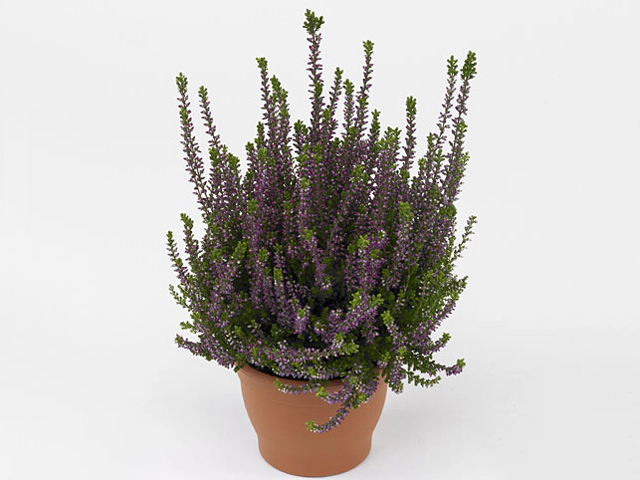
 Calluna vulgaris Garden Girls Liliane
| soil pH requirement | Acid (pH < 4,5); Slightly acidic (pH 4,5 - 6,5) |
| Light conditions | Sunny |
| Moisture requirements | Well-drained |
| Soil type | Sandy; Humus rich; Peaty |
Heather, scientifically known as Calluna vulgaris, is a lovely flowering shrub commonly found in gardens. With its vibrant colors and delicate flowers, it adds a touch of beauty to any landscape. The different varieties of heather, such as Garden Girls Liliane, Scotch Heather, Scots Heather, and Ling, offer a range of options to suit various garden styles and personal preferences.
One crucial aspect to consider when growing heather is the soil pH level. Heather thrives in acidic soil, with a pH level lower than 4.5. However, it can also tolerate slightly acidic soil with a pH range from 4.5 to 6.5. It is essential to test the soil before planting to ensure the ideal conditions for the heather's growth.
In terms of light requirements, heather prefers sunny locations. It enjoys basking in the sunlight, which helps with its flowering and enhances the vibrancy of its foliage. Placing the heather in an area where it receives direct sunlight for a significant part of the day will encourage healthy growth.
Proper moisture management is crucial for heather's well-being. It prefers well-drained soil that does not retain excessive water. Therefore, it is essential to provide suitable drainage systems or amend the soil to ensure good drainage. Overly wet soil can cause root rot and hinder the plant's growth.
Regarding soil type, heather thrives in sandy, humus-rich, and peaty soils. Sandy soils allow for excellent drainage, preventing waterlogged conditions. Humus-rich soils provide essential nutrients, ensuring the heather's vitality, while peaty soils retain moisture, creating an ideal growing environment.
To grow heather successfully, it is necessary to create the perfect conditions for its preferred soil pH, light exposure, moisture levels, and soil type. With proper care and maintenance, heather can create a stunning and colorful display in any garden.
When planting heather, it is helpful to prepare the soil beforehand. Digging a hole slightly larger and deeper than the plant's root ball is recommended. Incorporate compost or peat moss into the soil to improve its texture and nutrient content. Gently place the heather into the hole, ensuring that the top of the root ball is level with the surrounding soil. Then, backfill the hole with the amended soil, firming it gently around the plant. Water thoroughly to help settle the soil and eliminate any air pockets.
Heather requires regular watering during the first year to promote root establishment. However, once established, it is a relatively low-maintenance plant. It is important to water deeply but infrequently to encourage deep root growth. Avoid overwatering, as heather is susceptible to root rot if its roots are constantly soaked.
To keep heather healthy and promote abundant flowering, it is advisable to prune it annually. Pruning should be done after the flowering period, ideally in late summer or early spring. This helps remove old, woody growth and encourages new growth for the following season.
In conclusion, heather, also known as Calluna vulgaris, is a visually appealing and versatile shrub that enhances any garden. By providing the right soil pH, light conditions, moisture levels, and soil type, gardeners can ensure the optimal growth of heather. With proper care and maintenance, heather will reward garden enthusiasts with beautiful blooms and lush foliage year after year.
Market availability index by month:
| Jan. | Feb. | Mar. | Apr. | May | Jun. | Jul. | Aug. | Sep. | Oct. | Nov. | Dec. |
|---|---|---|---|---|---|---|---|---|---|---|---|
| - | - | - | - | - | 1 | 1 | 3 | 4 | 4 | 1 | - |