
 Eucalyptus
  Flora Frost
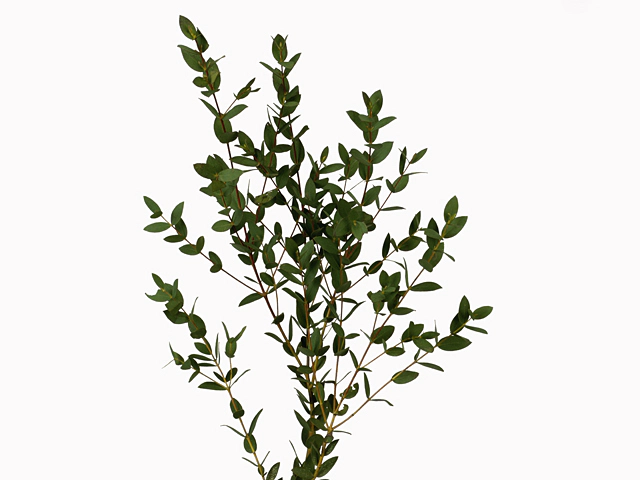
 Eucalyptus parvifolia
| Flower scent | Different |
| Winter hardness | Limited (USDA-zone 8) |
| soil pH requirement | Neutral (pH 6,5 - 7,5) |
| Toxicity (if consumed) | Not or barely |
| Moisture requirements | Moist; Well-drained |
Eucalyptus parvifolia, also known as Eucalypt, is a fascinating plant species known for its unique characteristics and uses. Let's explore its flower scent, winter hardness, soil pH requirement, toxicity if consumed, and moisture requirements.
One of the distinctive features of Eucalyptus parvifolia is its varying flower scent. The flowers emit a range of delightful aromas that can differ depending on the specific variety. This captivating aroma adds a pleasant touch to gardens and outdoor spaces, attracting pollinators such as bees and butterflies.
When it comes to its ability to withstand cold temperatures, Eucalyptus parvifolia has limited winter hardness and is suitable for USDA-zone 8. It may require additional protection during particularly harsh winters or in regions with subzero temperatures. Gardeners in colder climates should take precautions to ensure the survival of this species during the winter season.
In terms of soil pH, Eucalyptus parvifolia prefers a neutral environment, with a pH range of 6.5 to 7.5. This means that it can adapt and grow in soils that are neither overly acidic nor alkaline. By maintaining the appropriate pH level, gardeners can provide an ideal environment for this magnificent plant to thrive.
One important aspect to consider is the potential toxicity of plants, especially if consumed. Fortunately, Eucalyptus parvifolia is not toxic or only mildly toxic if ingested. This makes it a safer choice for households with pets or young children, as accidental consumption is unlikely to cause severe harm. Nonetheless, caution should always be exercised, and it is advisable to keep plants out of reach.
Moisture requirements play a vital role in the successful cultivation of Eucalyptus parvifolia. This plant thrives in moist conditions, but it also demands well-drained soil. Adequate drainage prevents water-logging, which can lead to root rot and other diseases. By ensuring the soil's moisture levels are consistently balanced, gardeners can provide the optimal growing environment for this fascinating species.
In conclusion, Eucalyptus parvifolia, or Eucalypt, is an intriguing plant with many desirable qualities. Its diverse flower scents, limited winter hardness, preference for neutral pH soils, low toxicity, and need for moist and well-drained conditions make it a unique addition to any garden or landscape. By understanding and meeting its specific requirements, gardeners can enjoy the beauty and benefits of Eucalyptus parvifolia in their outdoor spaces.
Market availability index by month:
| Jan. | Feb. | Mar. | Apr. | May | Jun. | Jul. | Aug. | Sep. | Oct. | Nov. | Dec. |
|---|---|---|---|---|---|---|---|---|---|---|---|
| 3 | 4 | 3 | 3 | 3 | 3 | 3 | 3 | 3 | 3 | 3 | 3 |