
 Hebe
Hebe  Flora Frost
 Hebe Paula
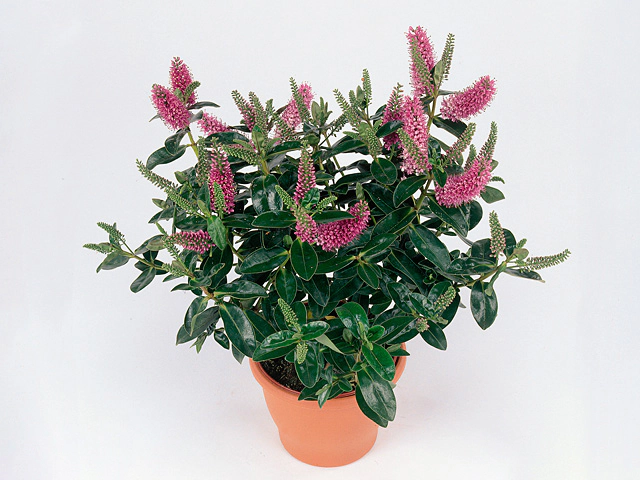
| Flower color | Purple-medium violet-072B |
| Soil type | Humus rich |
Hebe is a beloved flowering plant that adds a vibrant touch to any garden or landscape. Known for its captivating purple-medium violet flowers, Hebe is a sight to behold. These enchanting blossoms are a favorite among garden enthusiasts and can instantly elevate the aesthetic appeal of any outdoor space.
When it comes to growing Hebe, one must pay attention to the soil type. Hebe thrives in humus-rich soil, which provides the necessary nutrients and moisture for its optimal growth. Humus-rich soil is created by a combination of organic matter and decomposed plant material. This type of soil creates a fertile environment, allowing Hebe to flourish and produce abundant flowers.
The key to creating humus-rich soil is by enriching it with organic matter regularly. This can be achieved by adding compost, well-rotted manure, or leaf mold to the soil. These additions not only improve the soil's structure but also enhance its water-retaining capabilities. Hebe plants require a well-draining soil to prevent waterlogging, which can lead to root rot and other plant diseases.
In addition to ensuring humus-rich soil, Hebe also benefits from regular fertilization. Applying a balanced slow-release fertilizer once or twice a year will provide Hebe with the necessary nutrients for healthy growth and vibrant blooms. It is important to follow the package instructions for the correct application rates, as over-fertilization can harm the plant.
To establish Hebe in the garden, it is best to plant them in early spring or early fall. This allows the plant to take advantage of the milder temperatures and establish a robust root system before the extreme weather sets in. When planting Hebe, make sure to choose a location with full or partial sun exposure. These plants thrive in bright, sunny areas but can tolerate some shade as well.
Once Hebe is established, it is relatively low maintenance. Regular watering is essential, particularly during dry spells or hot summer months. Water the plants deeply, allowing the soil to absorb the moisture but avoiding waterlogged conditions. Mulching around the base of the plant helps retain soil moisture and prevents weed growth, further reducing the maintenance requirements.
As with any plant, Hebe is susceptible to certain pests and diseases. Keeping an eye out for common issues such as leaf spot or aphid infestations can prevent any major damage. If detected, prompt action with appropriate treatments is recommended to keep Hebe healthy and thriving.
In conclusion, Hebe is a stunning flowering plant with purple-medium violet blossoms that add beauty to any garden. To ensure its successful growth, it is vital to provide a humus-rich soil that is well-draining and regularly enriched with organic matter. With the right soil conditions and proper care, Hebe can thrive, producing an abundance of captivating flowers for all to enjoy.
Market availability index by month:
| Jan. | Feb. | Mar. | Apr. | May | Jun. | Jul. | Aug. | Sep. | Oct. | Nov. | Dec. |
|---|---|---|---|---|---|---|---|---|---|---|---|
| - | - | 1 | 1 | 1 | 2 | 3 | 4 | 3 | 2 | 1 | 1 |