
 Hellebore
  Flora Frost
 Helleborus Jacob
| soil pH requirement | Neutral (pH 6,5 - 7,5); Slightly acidic (pH 4,5 - 6,5); Alkaline (pH > 7,5) |
| Light conditions | Semi-shades |
| Moisture requirements | Moist; Well-drained |
| Soil type | Humus rich |
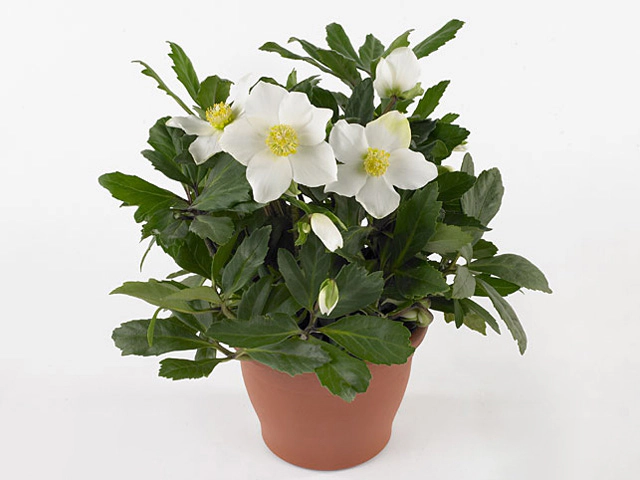
The Helleborus Jacob, also known as Hellebore, is a stunning plant that adds beauty and elegance to any garden or landscape. This perennial plant has specific soil pH requirements, light conditions, moisture needs, and soil type preferences that should be considered for its successful growth.
One important factor to consider when planting Helleborus Jacob is the soil pH. This plant thrives in neutral soil with a pH ranging from 6.5 to 7.5. However, it can also tolerate slightly acidic soil with a pH between 4.5 and 6.5, as well as alkaline soil with a pH higher than 7.5. To ensure the optimal growth of Helleborus Jacob, it is essential to test the pH of your soil and make any necessary amendments to adjust it within the recommended range.
Light conditions play a crucial role in the success of Helleborus Jacob. These plants prefer semi-shaded areas, where they receive filtered sunlight or a few hours of direct sunlight in the morning or evening. Too much exposure to direct sunlight can cause the leaves to scorch or the plant to wilt. On the other hand, insufficient light can result in leggy growth and fewer blooms. Finding a suitable spot with the right balance of light is key to promoting healthy growth.
Moisture requirements for the Helleborus Jacob are vital for its survival. They prefer moist soil that is well-drained. This means that the soil should be able to retain moisture, but excess water should not accumulate around the roots. Overly wet soil can lead to root rot and other diseases, ultimately harming the plant. Regular watering is essential to maintain adequate moisture levels, especially during dry spells or hot weather. Mulching the soil around the plant can help retain moisture and prevent evaporation.
When it comes to soil type, Helleborus Jacob thrives in humus-rich soil. Humus is the organic matter formed by the decomposition of plant and animal materials. It enriches the soil by improving its structure, promoting nutrient availability, and enhancing water retention. Adding compost or well-rotted organic matter to the soil before planting will provide the necessary nutrients and encourage healthy growth.
In conclusion, the Helleborus Jacob, or Hellebore, is a stunning plant that requires specific conditions for its optimal growth. Ensuring the soil pH is within the recommended range, providing semi-shaded areas, maintaining moist and well-drained soil, and enriching it with organic matter are essential factors to consider. By following these guidelines, you can cultivate a beautiful and thriving Helleborus Jacob in your garden or landscape.
Market availability index by month:
| Jan. | Feb. | Mar. | Apr. | May | Jun. | Jul. | Aug. | Sep. | Oct. | Nov. | Dec. |
|---|---|---|---|---|---|---|---|---|---|---|---|
| 3 | 2 | 1 | - | - | - | - | 1 | 1 | 2 | 4 | 3 |